Service
Virtual reality enhanced therapy
Step into therapy that meets you where you are
Overview
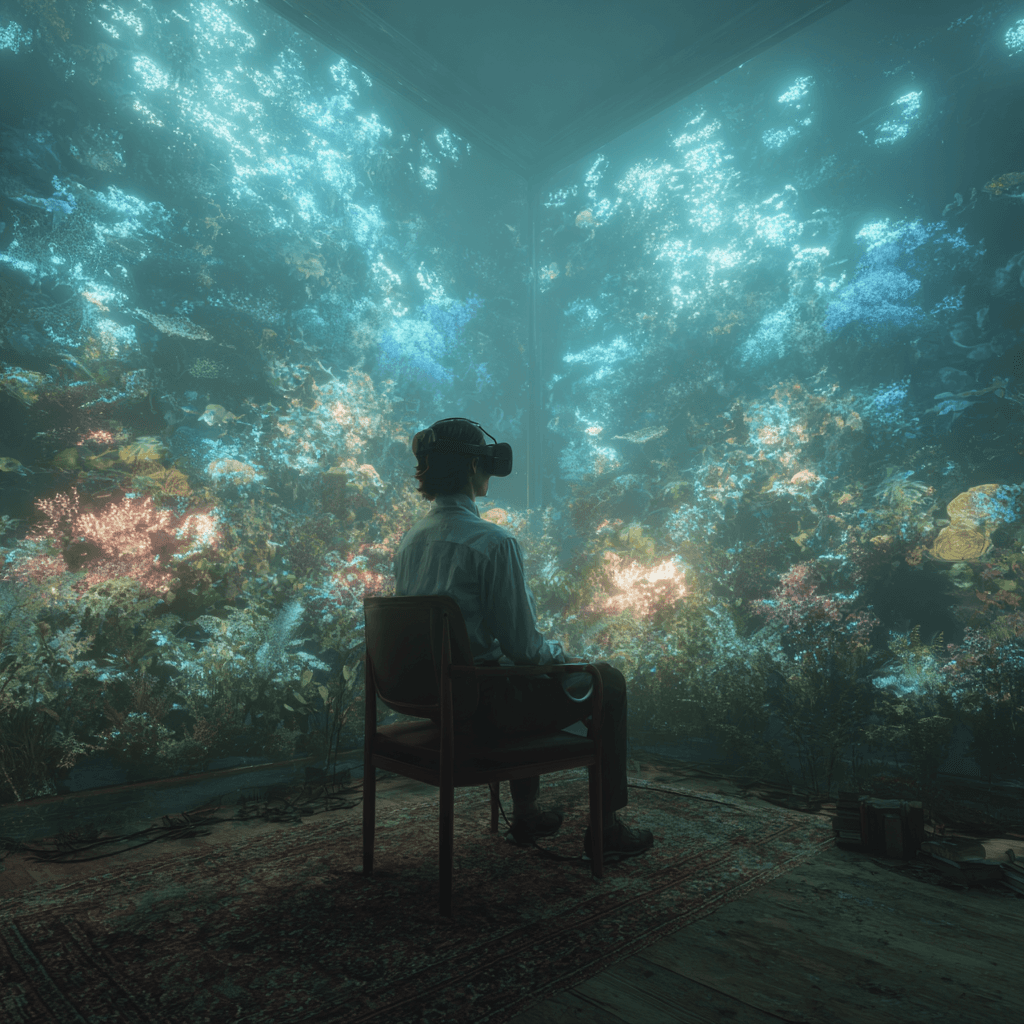
Virtual Reality Enhanced Therapy is a clinician-guided approach that uses immersive environments to support evidence-informed therapy modalities Instead of only imagining a scenario, VR lets you practice skills—like grounding, breathwork, communication, and gradual exposure, and even explore unconscious and symbolic phenomena—inside a realistic, adjustable setting.
Think of it as: a training ground for your nervous system, designed to help you build resilience, explore the depth of your mind, and expand your comfort zone with professional support.
30
studies (n = 1,293 burn patients) in a systematic review found VR significantly reduced procedural pain during wound care (SMD = −0.70).
11
studies (n = 508) in a meta-analysis found VR exposure therapy produced large reductions in public speaking anxiety versus control (effect = −1.39).
9
randomised trials (n = 371) directly comparing VR exposure to gold-standard in vivo exposure found no significant overall difference (g = −0.20).
Spatial Therapeutics (STX)
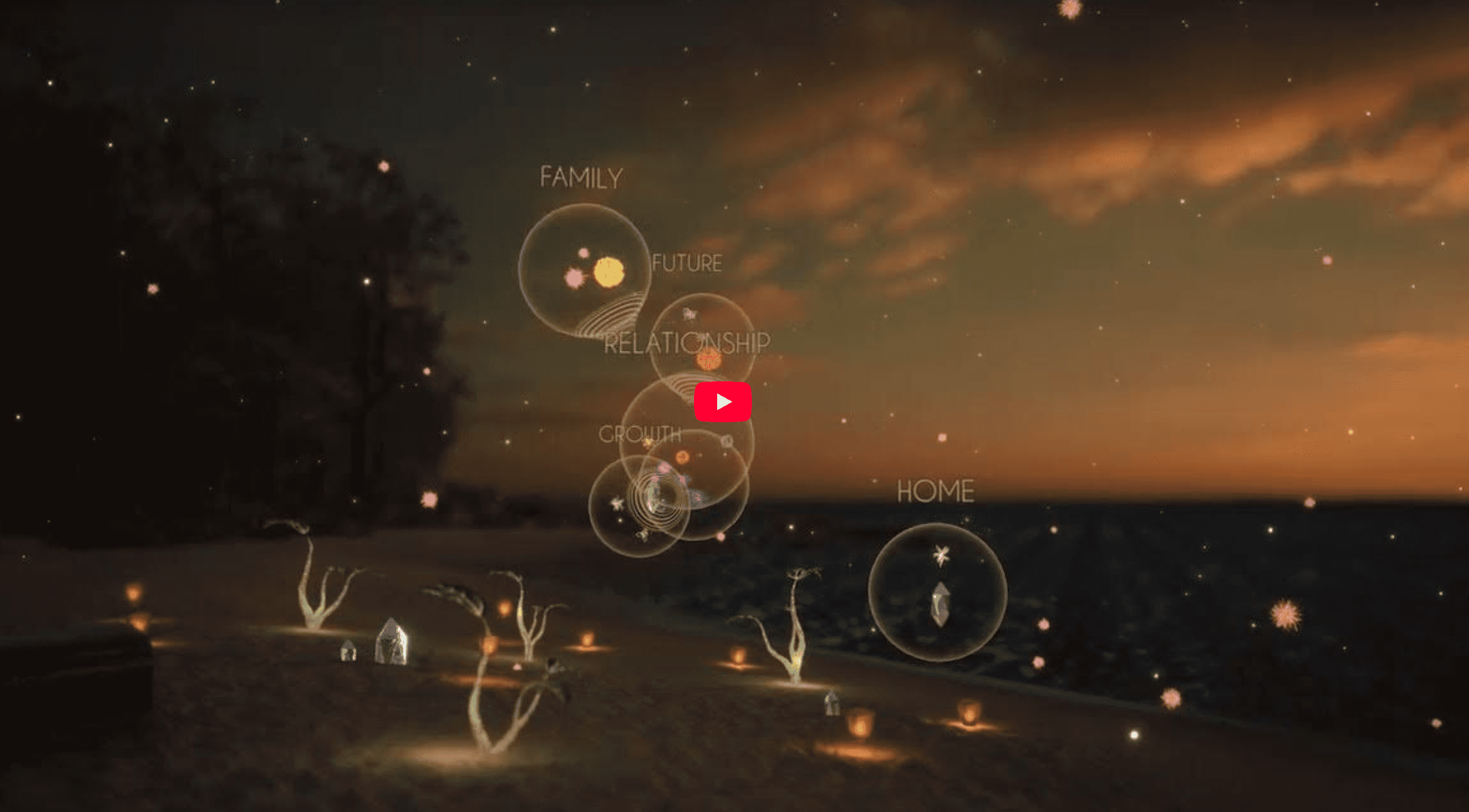
STX is one of the platforms that we use. STx offers patients a space they can shape and take ownership of, something many rarely experience in everyday life. It provides a multisensory environment designed for reflection, where they can safely build and explore a dynamic visual mind map of their challenges, relationships, and goals
Psytech VR
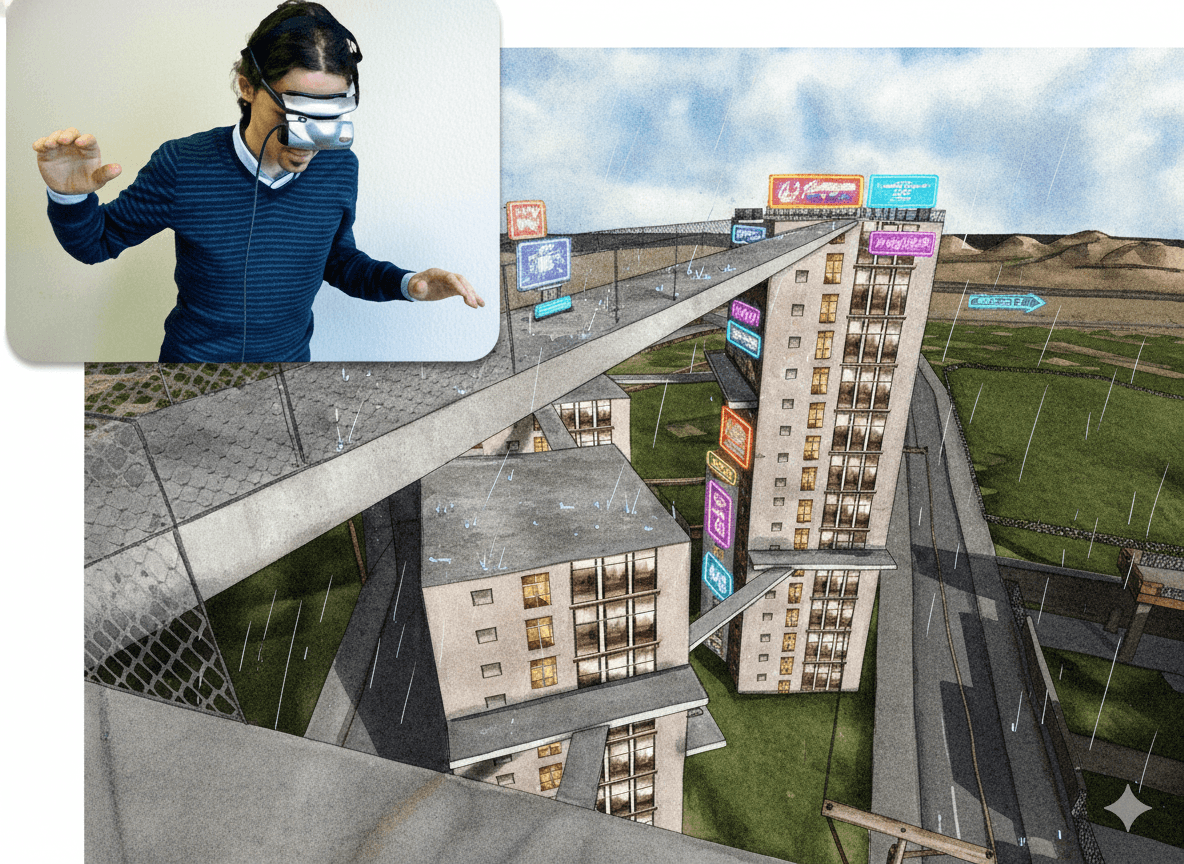
PsyTechVR is a clinician-led virtual reality therapy platform built for mental health applications. It provides a large library of structured VR scenarios (for example, anxiety and phobia exposures, trauma-related content, anger and craving triggers) alongside guided relaxation and mindfulness experiences, including an AI-powered “Safe Place” for rapid calming environment creation.
How it works
1) Consultation & clinical fit
We start by understanding your goals, history, sensitivities (like motion sickness), and what you want to practice. VR is always optional, never required.
2) Personalized session plan
Your therapist selects experiences aligned with your therapy approach and goals. Whether that’s calming environments for regulation, skill-building exercises, exploring your 'mind palace' or gradual exposure practice.
3) Guided VR session
In session, you’ll enter a scenario with your therapist’s support. You’ll practice tools in real time (breathing, grounding, reframing, communication, boundary-setting), or explore the depths of your mind using our bottom-up/exploratory platform.
4) Integration & next steps
We debrief what came up, what worked, and how to apply it in real life. You’ll leave with a clear plan and practical takeaways. Depending on the scenario, you may be able to download the mental 'map' that has been created within VR.
FAQ
Learn about our interview process and anything
else you have in mind
Is VR therapy evidenced based?
What concerns can VR help with?
Will VR replace “talk therapy”?
Is it safe?
Will it make me dizzy or nauseous?
Do I need gaming or tech experience?
How many sessions will I need?
References
Service
Virtual reality enhanced therapy
We create a world with more founders and do work that will have an impact on the world today, tomorrow, and beyond
Overview
Virtual Reality Enhanced Therapy is a clinician-guided approach that uses immersive environments to support evidence-informed therapy modalities Instead of only imagining a scenario, VR lets you practice skills—like grounding, breathwork, communication, and gradual exposure, and even explore unconscious and symbolic phenomena—inside a realistic, adjustable setting.
Think of it as: a training ground for your nervous system, designed to help you build resilience, explore the depth of your mind, and expand your comfort zone with professional support.
30
studies (n = 1,293 burn patients) in a systematic review found VR significantly reduced procedural pain during wound care (SMD = −0.70).
11
studies (n = 508) in a meta-analysis found VR exposure therapy produced large reductions in public speaking anxiety versus control (effect = −1.39).
9
randomised trials (n = 371) directly comparing VR exposure to gold-standard in vivo exposure found no significant overall difference (g = −0.20).
Spatial Therapeutics (STX)
STX is one of the platforms that we use. STx offers patients a space they can shape and take ownership of, something many rarely experience in everyday life. It provides a multisensory environment designed for reflection, where they can safely build and explore a dynamic visual mind map of their challenges, relationships, and goals
Psytech VR
PsyTechVR is a clinician-led virtual reality therapy platform built for mental health applications. It provides a large library of structured VR scenarios (for example, anxiety and phobia exposures, trauma-related content, anger and craving triggers) alongside guided relaxation and mindfulness experiences, including an AI-powered “Safe Place” for rapid calming environment creation.
How it works
1) Consultation & clinical fit
We start by understanding your goals, history, sensitivities (like motion sickness), and what you want to practice. VR is always optional, never required.
2) Personalized session plan
Your therapist selects experiences aligned with your therapy approach and goals. Whether that’s calming environments for regulation, skill-building exercises, exploring your 'mind palace' or gradual exposure practice.
3) Guided VR session
In session, you’ll enter a scenario with your therapist’s support. You’ll practice tools in real time (breathing, grounding, reframing, communication, boundary-setting), or explore the depths of your mind using our bottom-up/exploratory platform.
4) Integration & next steps
We debrief what came up, what worked, and how to apply it in real life. You’ll leave with a clear plan and practical takeaways. Depending on the scenario, you may be able to download the mental 'map' that has been created within VR.
FAQ
Learn about our interview process and
anything else you have in mind
Is VR therapy evidenced based?
What concerns can VR help with?
Will VR replace “talk therapy”?
Is it safe?
Will it make me dizzy or nauseous?
Do I need gaming or tech experience?
How many sessions will I need?
References